Skip to content

Quick and easy mileage claims

Heading to training, or covering a temporary group – maybe there’s a promotional event or a team meeting – add your mileage claims quickly and easily, either on your dashboard or through our mobile app!

View the help guide

April 2026 - Mileage allowance increase

The approved rate rose from 45p to 55p for the first 10,000 business miles, backdated to April 2026. On 2,000 business miles that is £200 more you can claim – and you do not have to do anything to get it.
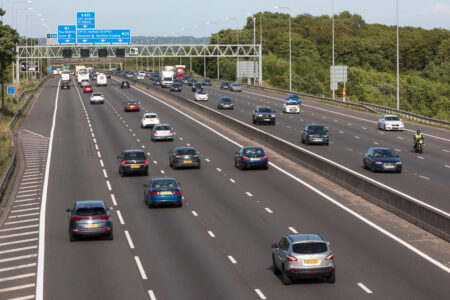
Busy multi-lane UK motorway with cars and trucks, overhead signs indicating M1, M25, and A405 routes

Key features...

Postcode to postcode

Enter a start and end postcode and Pulse calculates the driving distance for you

One tap for the return

Logged a journey to a group? Tap once to double it for the trip home

Split role reporting

Miles are tracked separately for each role (Consultant, Team Developer or other self employment) to report accurately

The rate change handled

Journeys before April 2026 keep the old rate and journeys after it get the new one, automatically

How it works...

Add Your Journey

Add a journey from your phone or your laptop. Enter the miles if you know them, or give Pulse a start and end postcode and let it work out the driving distance.

If it’s a return trip, one tap doubles it.

Let Pulse Do The Maths

Pulse applies the right rate for the date of the journey – 55p for the first 10,000 business miles, 25p after that – and keeps Consultant and Team Developer mileage in separate streams so each threshold is counted properly.

Watch It Add Up

Your mileage flows straight into your expenses, your reports and your estimated tax figure.

There is no separate spreadsheet to keep, and nothing to reconcile at the end of the year.

Why the 55p change matters

For fifteen years the approved mileage rate sat at 45p. From April 2026 it is 55p for the first 10,000 business miles, and for a consultant driving to groups several times a week that is a meaningful difference – 2,000 business miles in a year is £200 more allowable expense than it would have been.

The awkward part is a year that straddles the change. Pulse handles it by rating every journey against its own date, so miles you drove in March are treated differently from miles you drove in May, without you having to separate them or remember which is which.
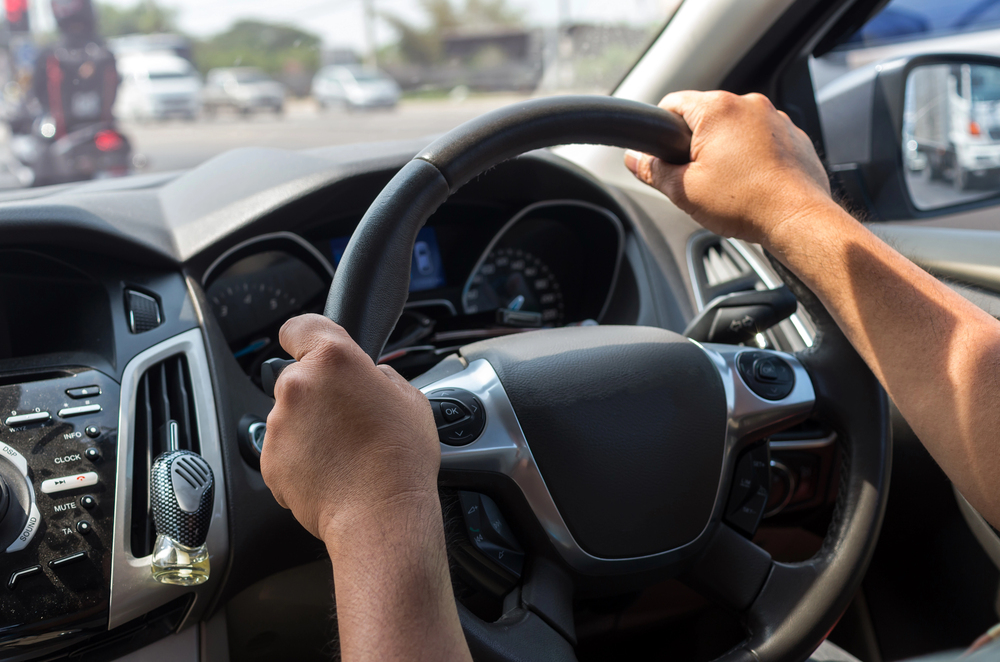
car driving

Frequently asked questions

Choose your package

What is the mileage rate?

For journeys from April 2026 the approved rate is 55p a mile for the first 10,000 business miles in the year, then 25p for anything above that. Before April 2026 it was 45p and 25p.

What happens to journeys before April 2026?

They keep the old rate. Pulse works out the rate from the date of each journey, so a year that straddles the change is split correctly without you having to think about it.

Do I have to work out the distance myself?

Not unless you want to. Enter a start and end postcode and Pulse calculates the driving distance for you. You can also save the places you drive to regularly, so a trip to your usual venue takes seconds.

What counts as a business journey?

Travel between your home and any temporary groups, to and from training, to collect stock, and to meetings connected with your business.

Ordinary commuting to a permanent workplace (such as permanent groups) does not count.

Do I need to keep a paper mileage log?

No. Your mileage records live in Pulse, with the date, the journey and the miles for each one.

Can I still enter miles by hand?

Of course. Type the miles in directly whenever you prefer. The postcode calculator is there to save you time, not to get in the way.

Back To Top